The Weight of Hope
A mother and Infant at the Limits of Survival
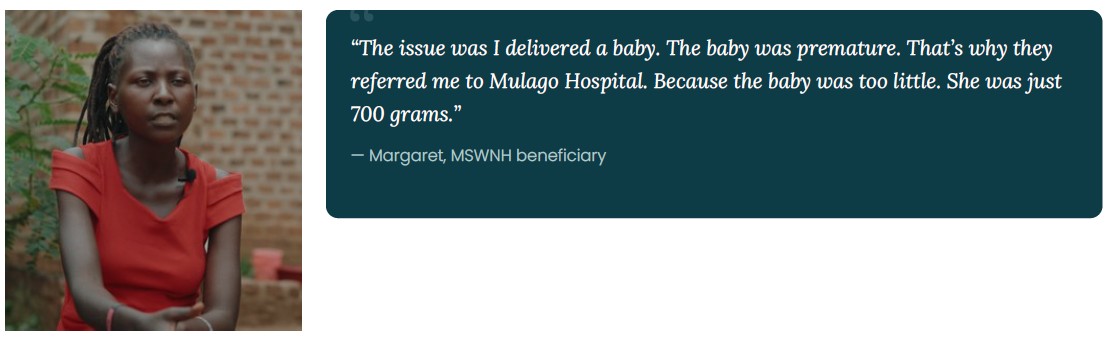
Contentment and hope scintillate in Margaret’s eyes. She has come a long way. A life shaped by hardship and deprivation, yet held together by resilience and the bonds of community.
Her newborn child came to life, too premature and gravely underweight in a remote village, in Mukono District, during a prolonged labour attended only by her elderly mother, with little more than care and determination.
Anyinebyona weighed 700 grams at birth. Two weeks later, Margaret suffered a postpartum stroke — one of the rarest complications of childbirth. She lost movement on one side of her body and could not speak for three weeks.
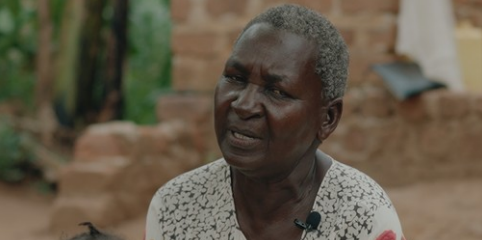
Anyinebyona lay in an incubator at Mulago Hospital in Kampala, born extremely premature and weighing just 700 grams. Margaret’s mother — the grandmother — became the sole caregiver, drawing on traditional knowledge and deep affection to keep the family together.
Before Mulago Specialized Women and Neonatal Hospital existed, the old maternity ward at Mulago National Referral Hospital occupied a single floor. Extremely preterm infants had little chance of survival. Two or three neonates shared one bed. The equipment needed to sustain a 700-gram baby was either unavailable or outdated.
A Continuum of Care
to Leave No One Behind
The Islamic Development Bank financed USD 30.72 million for this project.
Of that, USD 8.31 million went directly to medical equipment: NICU incubators, ventilators, monitoring systems, and laboratory equipment.
The clinical team treated Margaret and Anyinebyona in parallel. Brain scans and physiotherapy for the mother.
Ventilation support, temperature regulation, and feeding protocols for the baby.
The grandmother shuttled between beds. Nurses coached her through the feeding tube procedure — drawing milk into a syringe, delivering it through the incubator port. Day after day, the routine became steady.
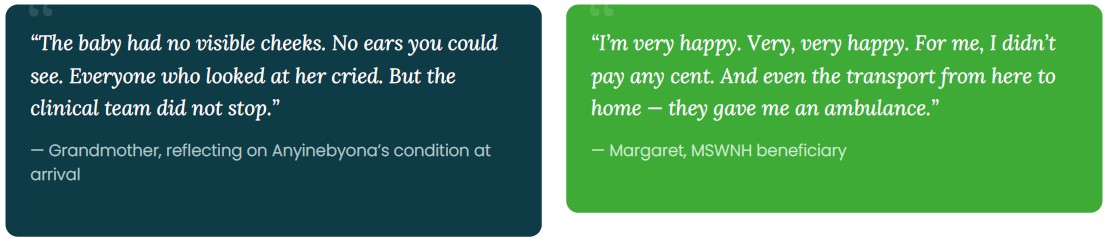
When Margaret saw the outstanding charges of 6,460,000 Ugandan shillings, she refused further treatment for herself.
The staff connected her with the hospital’s waiver committee. The bill was written off. The stroke treatment continued. Anyinebyona received full neonatal care. They were discharged by ambulance at no charge
The Power of Life
Overcoming Hardship
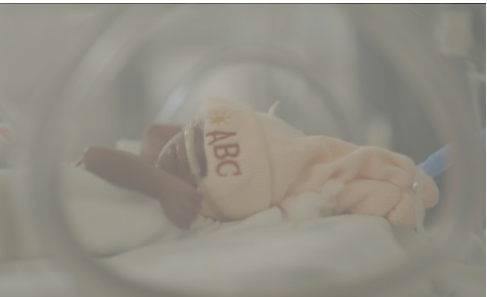
The grandmother remembers the weeks before discharge. The slow accumulation of weight.
The day the ventilation support was removed. The morning Anyinebyona opened her eyes fully for the first time.
The nurses tracked every gram. When the medical officer said they were going home, the grandmother asked him to repeat it.
Follow-up appointments were arranged in Mukono, so the family would not need to travel back to Kampala for every checkup. The care pathway did not end at the hospital door.
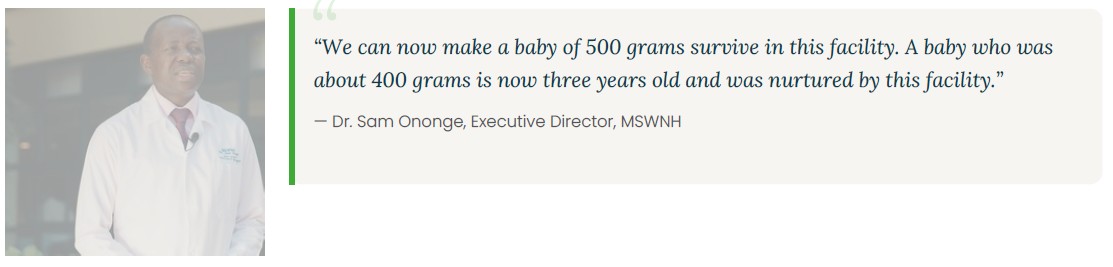
Since 2019, inpatient services have increased fivefold, reaching 16,072 visits in 2024. Outpatient services have grown fourfold, and the hospital now receives referrals from five countries: Uganda, Sudan, DR Congo, Kenya, and Rwanda.
Uganda recorded a decline in neonatal mortality from 35 to 27 per 1,000 live births between 2016 and 2023. These are trends shaped by multiple factors. MSWNH is one contributor within a broader system.
Anyinebyona’s incubator was paid for by a USD 8.31 million equipment package as part of a USD 30.72 million project.This project is part of the IsDB broader health sector financing, which has reached approximately USD 8.8 billion across member countries since inception.
The same institution that kept a 700-gram infant alive in Kampala funds maternal clinics in Bangladesh, vaccination drives in Dakar, and surgical theaters in Niamey. One incubator. One portfolio. One line connecting them.
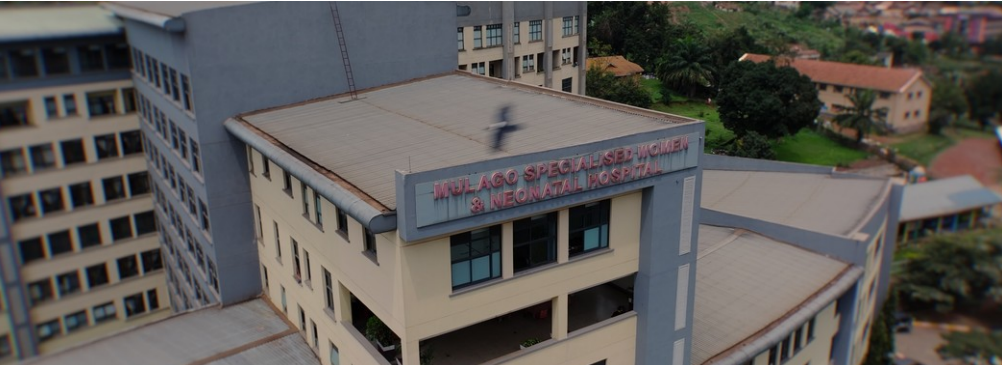
An uphill battle. Seven hundred grams at arrival. Walking now and thriving. The distance between those two facts is one building on Mulago Hill. One resolve for life and hope to triumph.
ALIGNED WITH SUSTAINABLE DEVELOPMENT GOAL 3
Good Health and Well-being | Target 3.2: End preventable deaths of newborns and children under 5